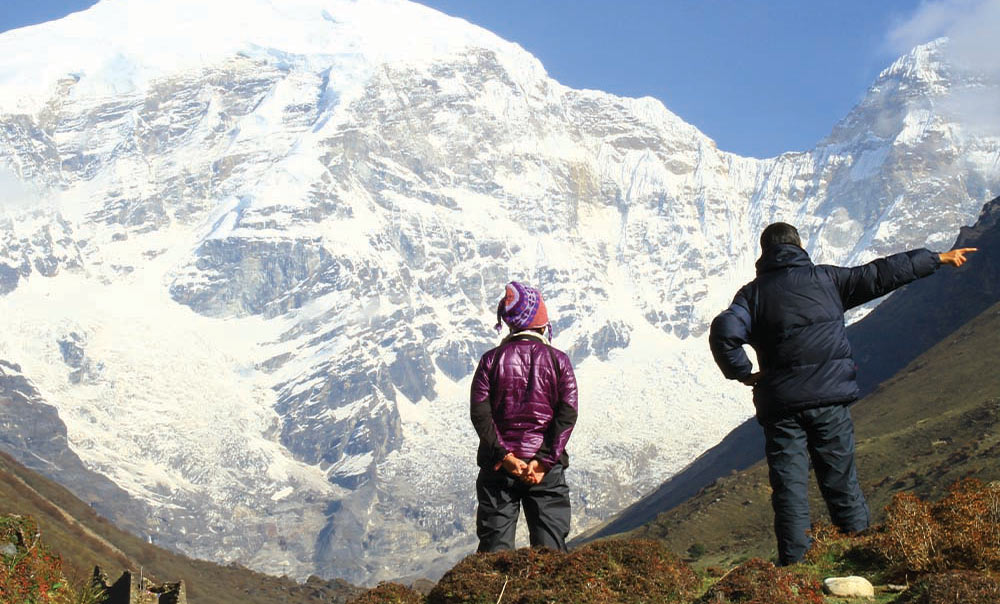
Geographically, Bhutan forms the part of the Eastern Himalayan Biodiversity Hotspot. Forests is the dominant ecosystem in Bhutan, with 70.46 per cent of the country under forest cover and an additional 10.43 percent under shrubs. The total protected forest areas in the form of national parks, wildlife sanctuaries and biological corridors corresponds to 51.44. Further, as a result of variance in the altitudinal range, with corresponding variation in climatic conditions, the country can broadly be divided into three distinct eco-floristic zones with different forest types. Agro-ecologically, Bhutan has six zones with different altitudinal ranges and climatic conditions, with zone relevant agricultural practices.
BIOFIN Bhutan reviewed more than 40 policies, legal instruments, and strategies; a comprehensive assessment of existing policies and regulations using a biodiversity lens also determines implications for climate investments and financing
The aquatic ecosystems of Bhutan consist mainly of rivers, lakes, marshlands and hot springs. Bhutan records more than 5,600 species of vascular plants out of which approximately 94 percent are native species and about 144 species are endemic to Bhutan. More than 200 species of mammals are identified with 27 of them are globally threatened. Further, Bhutan has recorded 728 species of bird till date, of which, 18 are globally threatened. Surveys of other lesser-known species such as fungal diversity, herpetofauna, invertebrates are ongoing.
Bhutan revised its National Biodiversity Strategies and Action Plan (NBSAP) in 2014 ensuring full alignment with the Global Aichi Biodiversity Targets under the UNCBD. Bhutan also revised its National Action Programme in 2013 drawing on the national objectives of environmental sustainability and the UNCCD objectives. The government is also implementing climate change adaptation and biodiversity conservation projects through various financing windows such as Global Environment Facility (GEF) to combat climate change issues in the country.