
Travel
Guide

Sterling Birding Group in Bhutan
Bhutan Visa
Your Bhutan visa has been arranged by the local team and sent to you. Please print a copy or save a digital version to present at check-in for your flight to Paro International Airport. Your health information will be shared confidentially with your guide to help prepare for any medical emergencies.
Vaccinations
Carry a copy of your updated vaccination records. Consult your doctor for recommended vaccines before travel.
Medications
Pack all prescription medications in your carry-on, along with an extra supply, a copy of your prescriptions, and the generic names. Keep medicines in their original labeled containers. Bring spare glasses or contact lenses if needed.
Allergies
Carry necessary allergy or asthma medications. If you have severe allergies, talk to your doctor about an EPI pen and inform your guide. Keep a record of allergies, chronic conditions, and emergency medical information.
Common Ailments
Bring a small first aid kit and basic over-the-counter medicines for common issues like stomach upset, headaches, colds, insect bites, and sunburn. Include items like band-aids, sunscreen, moisturizer, oral rehydration salts, tweezers, and nail clippers.
Daily Itinerary Overview
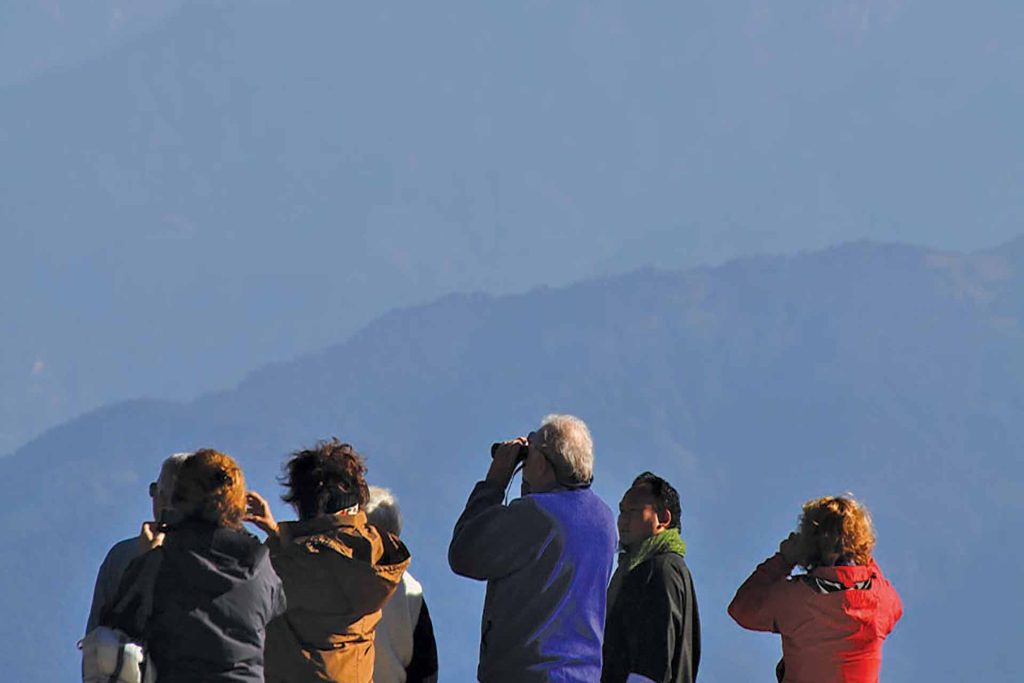
This journey is designed for travelers who enjoy active days and the spirit of adventure. Our mornings start early, often around 5:00 a.m. with field breakfasts and picnic-style lunches that keep us close to nature and the experiences of the day. Each day involves 1–3 miles of easy walking, mostly along quiet country roads, with gentle ups and downs along the way. While drives can be long, we’ll make them rewarding with birding stops and moments to soak in the landscapes, even in remotest areas where facilities may be limited.
The tour takes you through diverse elevations, from days spent above 8,000 feet to stretches at 10,000–12,000 feet. One night will be at 9,300 feet in the serene Chumey Valley, offering a true taste of Bhutan’s highland beauty.
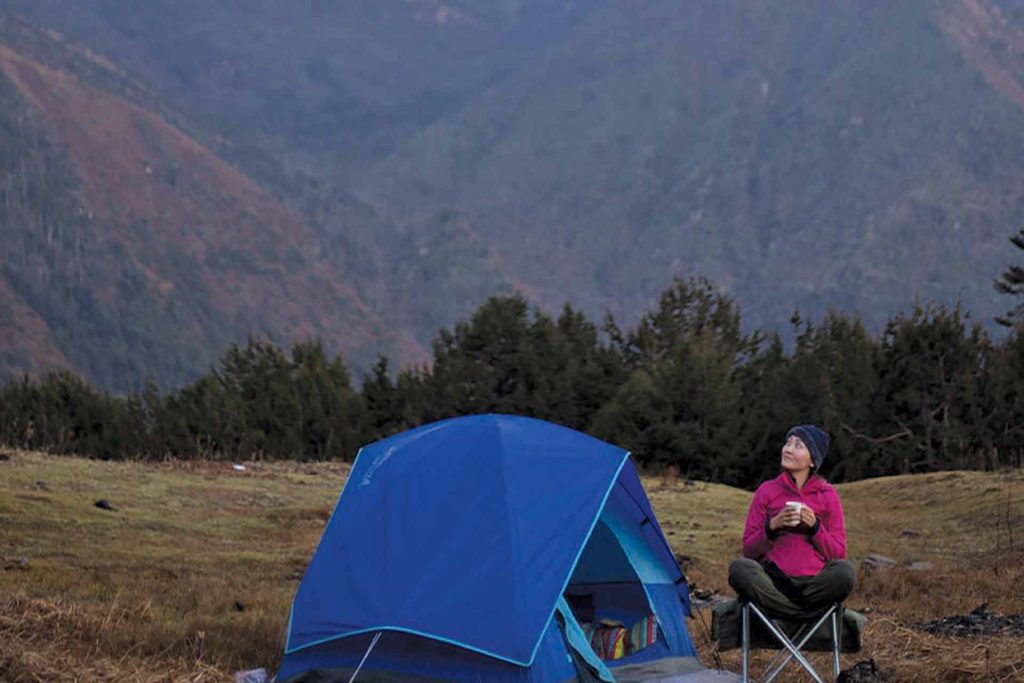
Accommodations will be in comfortable standard hotels, except for one special night at a Jungle Lodge camp in Tingtibi. Here, you’ll enjoy private sleeping tents and shared bathroom tents—an authentic experience made necessary as local hotels no longer host foreign visitors.
Bhutan’s mountain roads can be rough, sometimes leading to delays or small changes in the plan. But flexibility is part of the adventure, and every adjustment is made to ensure we don’t miss a single chance to discover the incredible birdlife and natural wonders that make this journey so memorable.
Weather and Climate
Expect hot and humid weather with occasional rain in the lower elevations. Bhutan’s climate varies greatly by region and altitude. In April, temperatures typically range from 40°F to 80°F, with the possibility of rain showers and even snow at higher mountain passes. The sun can be strong at altitude, so good sun protection is essential. We recommend packing at least one set of clothing suitable for all seasons.
Food and Drinks
Bhutan’s food offerings range from international cuisine in larger cities to traditional local dishes in smaller towns. Meals are freshly prepared using organic, locally sourced ingredients with proper hygiene.
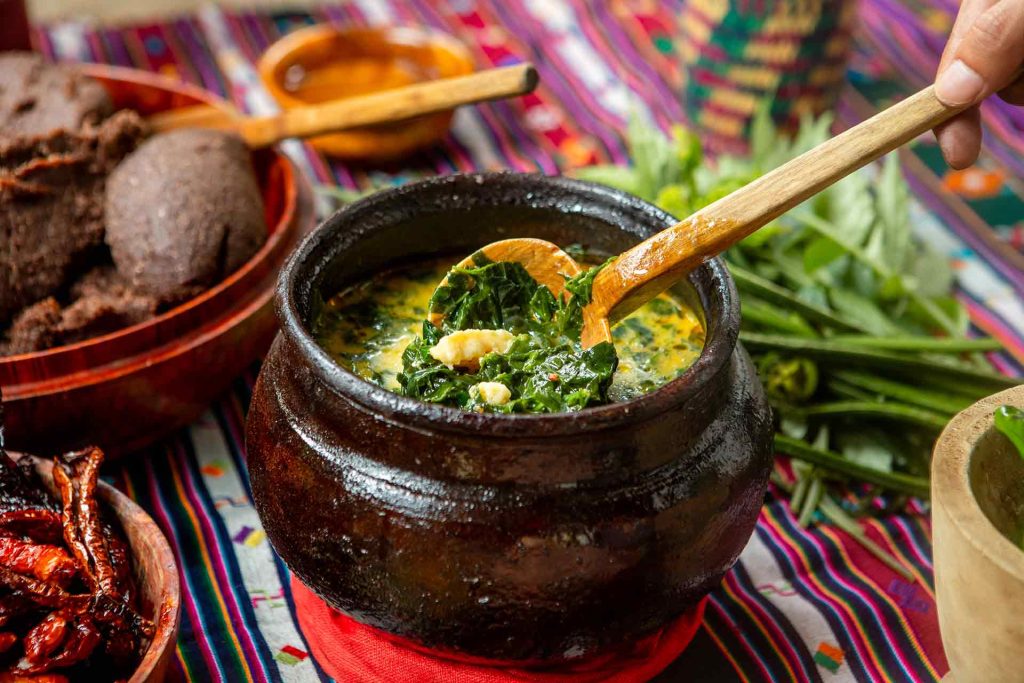
Expect a mix of Indian and Tibetan flavors, with Bhutan’s signature dish, Ema Datshi (chili and cheese), served regularly. You’ll also enjoy warm soups like Thukpa and steamed dumplings (momos). In Paro and Punakha, cafés and restaurants offer broader continental options. To complement meals, your team will carry nuts and dried fruits.
Fresh fruits are available in April but should be washed well before eating. Tap water is unsafe to drink; bottled water will be provided throughout the journey.
Packing, Clothing and Laundry
When visiting dzongs, monasteries and lhakhangs, modest attire is required. Shorts should be no shorter than knee-length and shoulders should be covered ideally to the mid-upper arm. For higher elevations, sunscreen, lip balm, and sunglasses are essential.
Keep your packing light! Only bring what you truly need. Lay out everything you plan to bring, then pare down to the essentials!
Spending Money
In Bhutan, the local currency is the ngultrum (Nu) and cash is the most widely accepted payment method. While prices are usually quoted in ngultrum, US dollars are commonly accepted and easily exchanged. It’s recommended to carry cash as ATMs may not always be reliable. Some
handicraft shops do accept credit cards with 3-5% fees.
When exchanging US dollars, bring larger bills ($50 or $100) to get a better exchange rate.
The best places to exchange money are upon arrival at the international airport or through your local operator, who can provide you with the current exchange rates.
Gratuities
Tipping in Bhutan is never expected but it is always a kind and thoughtful way to show appreciation. If you’d like to thank your guides, lodge or hotel staff, or anyone who helps make your journey special, a small gesture will mean a lot to them. The amount is entirely up to you, what matters most is the spirit behind it.
.At the heart of Bhutanese hospitality is warmth and care, and your generosity, big or small will be received with genuine gratitude.
Here are suggested tipping guidelines for birding tours:
Birding Tour Guide: $10.00 – $15.00 per day, per guest (if there are two guides, the amount is split between them).
Tour Driver: $5.00 – $7.00 per person, per day.
For lodges, it’s preferred to leave a consolidated tip at the front desk at check-out, rather than tipping individual staff members.
Cell Phones and Internet Service
Your guide is well-connected and can assist with any urgent communication needs. However, it is strongly recommended that you travel with a cell phone, primarily as a precaution in case of a medical emergency or if you need quick access to important personal or medical contacts.
Time
Bhutan follows a single time zone, which is GMT +6:00. It is 30 minutes ahead of India and one
hour behind Thailand. For more details, visit www.timeanddate.com.
Pace of the Tour and What to Expect
Our tours follow the rhythm of nature, focusing on birding and wildlife with well-planned field days, often starting early to catch the magic of dawn. While we generally follow the published itinerary, we stay flexible to weather, wildlife opportunities, and group interests. Your guide will share the next day’s schedule during evening meals and inform you of what to bring. Questions are always welcome.
The pace is moderate— participants should be able to get in and out of vehicles multiple times a day and walk 1-3 miles over uneven terrain. A flexible attitude is important, as the schedule may adjust to maximize field opportunities. We are not a “listing” bird company, but may wait for special species unique to the area. Along the way, we pause for photos and educational moments, focusing on conservation, landscapes, and geology. We also appreciate other wildlife, from mammals to plants and butterflies, with some clients contributing their own expertise.
Meals are an enjoyable part of the experience, with breakfast at hotels and snacks, fruit, and water provided in the car. Lunches may be picnics in the field or at local cafes. For dinner, we carefully choose restaurants that specialize in local cuisine, though some evenings may include simple meals if we venture out for sunset wildlife viewing or night walks. In remote areas, options may be limited, but room service can be arranged if you’re feeling tired
Transportation
You will be accommodated in Toyota High Roof with ample headroom and storage space, making it comfortable for passengers and ideal for carrying luggage or gear. Its durability on various road conditions and climate control features make it a practical choice for long or rural journeys.
Packing List - Please Pack Light!
Use soft luggage, ideally under 40 pounds, as it’s easier to handle. Label your bag with your name and address. Pack essential items medications, passport, tickets, binoculars, camera) in your carry-on, along with a day pack for field trips.
Expect hot, humid weather in India and varied conditions in Bhutan. April temperatures range from 40-80°F with possible showers and snow in high passes. Dress in layers, with lightweight, quickdry long sleeves and pants for sun protection. A light jacket for evenings and comfortable shoes or boots are recommended.
For insect protection, choose muted clothing colors (tan, khaki, grey) and consider treating your
clothes with insect repellent spray or buying pre-treated options.
Clothing and Gear
- 2-3 pairs of lightweight long pants and long sleeve shirts (loose fitting for comfort)
- Optional shorts for hot weather in the lowlands
- 2-3 T-shirts or short-sleeve shirts
- Casual clothing for travel days and evenings
- Personal underclothing and pajamas
- Lightweight, quick-drying socks (long enough to tuck pants into for insect protection)
- 2 pairs of comfortable walking shoes/hiking boots with good tread for uneven, muddy terrain
- Comfortable sandals or slip-on shoes for evenings and travel
- Lightweight fleece jacket or sweater for mornings and highlands
- Raincoat/pants (also serves as windbreaker)
- Broad-brimmed hat
- Bandana (optional for cooling off)
Equipments
- E-ticket, passport, visa copy, travel insurance (optional), money, and credit cards
- Secure pouch to carry essential items at all times
- Backup copies of documents (phone or paper) stored separately and shared with an emergency
contact - Small, water-resistant daypack for field gear and as carry-on
- Cell phone, charger, binoculars, camera, and charger/batteries
- Adapter for plugs and voltage converter (110 to 220 volts)
- Walking stick (optional)
- Umbrella (not brightly colored, optional)
- Small flashlight or headlamp with batteries
- Sunscreen, lip balm, sunglasses, and insect repellent (with DEET)
- Tissue packs, toiletries, water bottle
- Notebook, pen, field guides (optional)
- Earplugs, neck rest, eyeshade (optional)
- Washcloth (towels provided)
- Zip-lock bag or small dry bag for excursions
- Steri-Pen (optional for water purification)
Note: Avoid traveling with valuable jewelry.
First Aid Items
- Health insurance (not mandatory in Bhutan) and vaccination records (stored with travel
documents) - Personal medication and copies of vital prescriptions (including eyeglasses)
- Preventatives for altitude sickness and motion sickness (if needed)
- Personal first aid kit and medications for general ailments (colds, stomach issues)
- Foot powder, lotions, and comfort items
- Hydrocortisone cream for insect bites BandAids and moleskin for blisters Epi-pen (if required for allergic reactions)
- Antibacterial hand soap and cleansing wipes Extra eyeglasses or contacts with cleaning solution
- Your Bhutan team will also carry basic first aid kit
Check out these posts for additional travel guides