Travel
Guide

Things to know before
Going to Bhutan
Nestled in the Himalayas between India and China, the small kingdom of Bhutan – with its cliff-hanging monasteries, golden-roofed temples, and vibrant prayer flags fluttering along trails and peaks – stands as the last Mahayana Buddhist kingdom on Earth. Its thoughtful tourism policy has allowed the country to gradually open to the outside world while preserving its rich culture, traditions, and pristine natural environment—key pillars of Gross National Happiness (GNH), a distinctive philosophy that guides Bhutan’s government. This Travel guide will help you navigate Bhutan’s cultural landscape, showcasing its local customs and unique characteristics as you plan your visit to the country known locally as Druk Yul, the Land of the Thunder Dragon. Please note that tour guides are required for any travel beyond Thimphu and Paro.
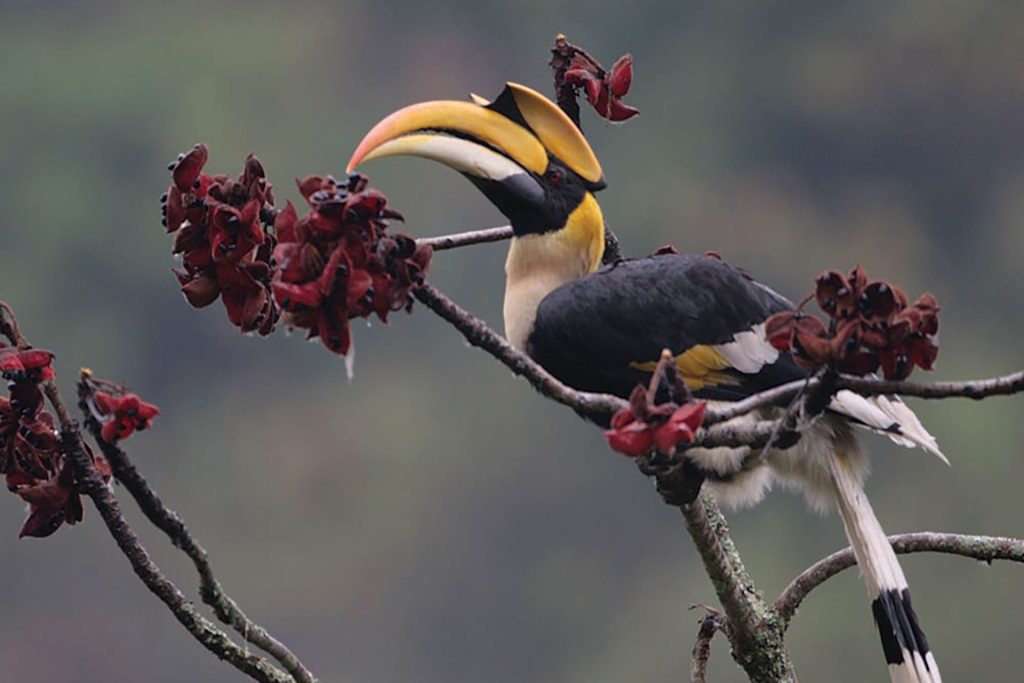
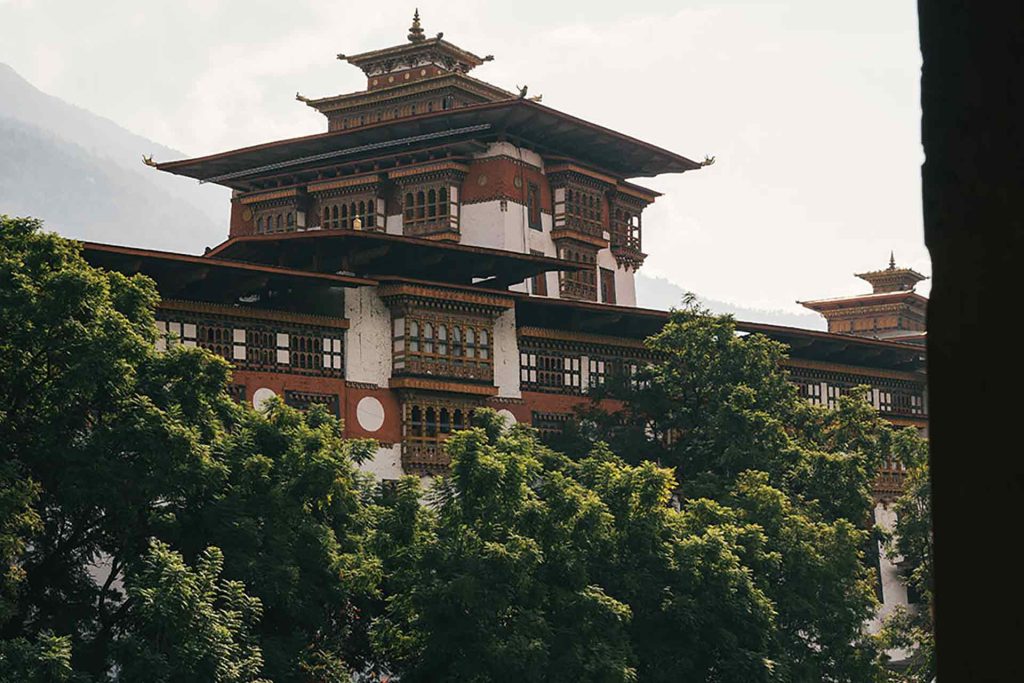
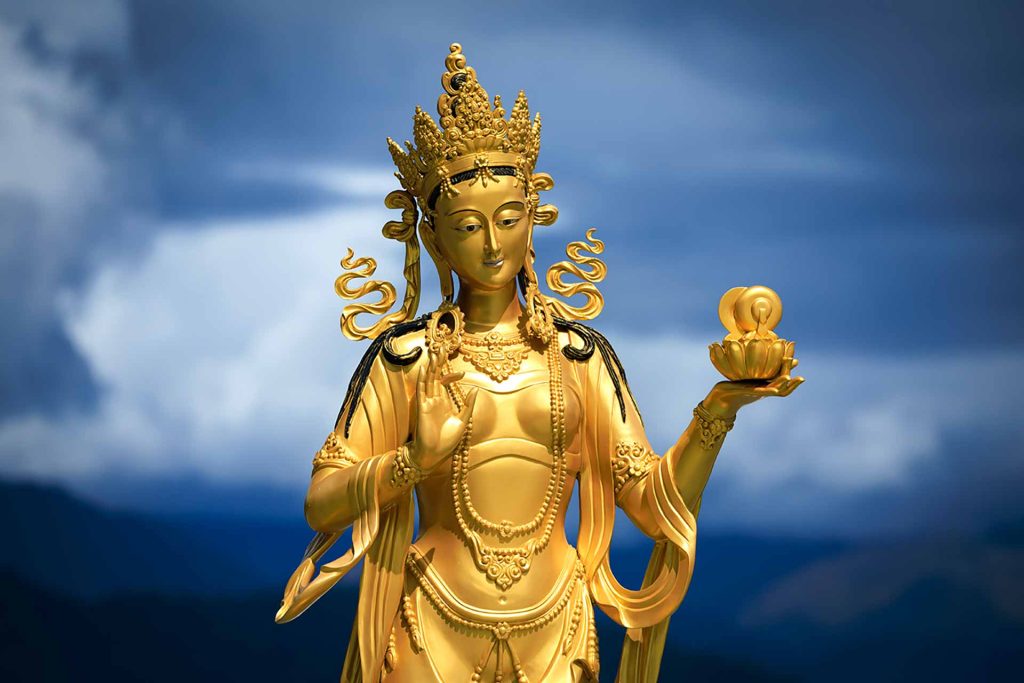
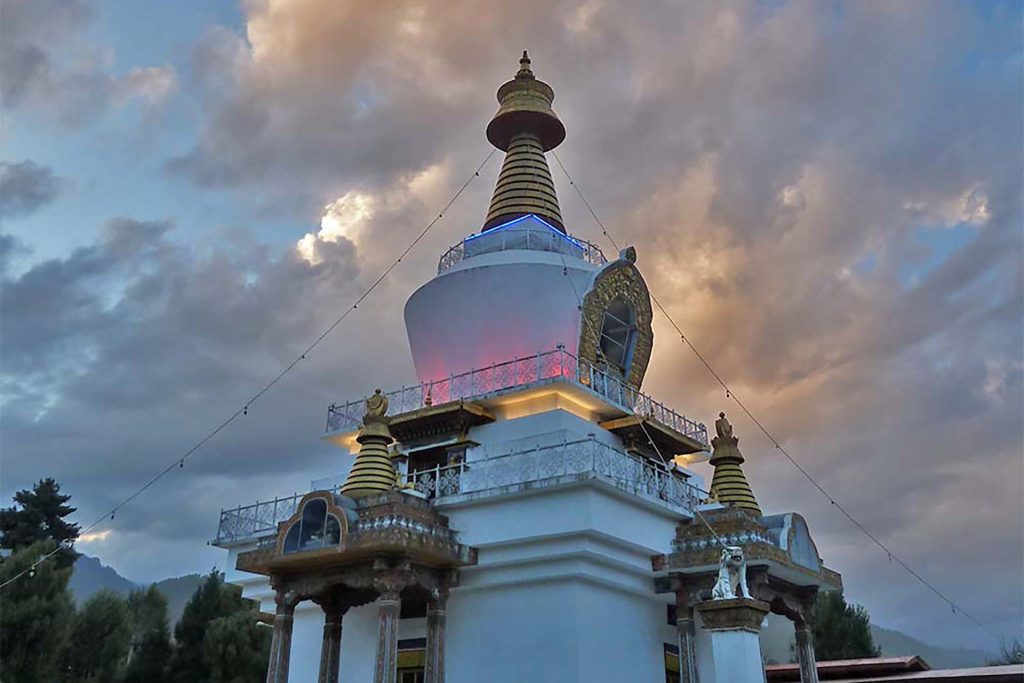
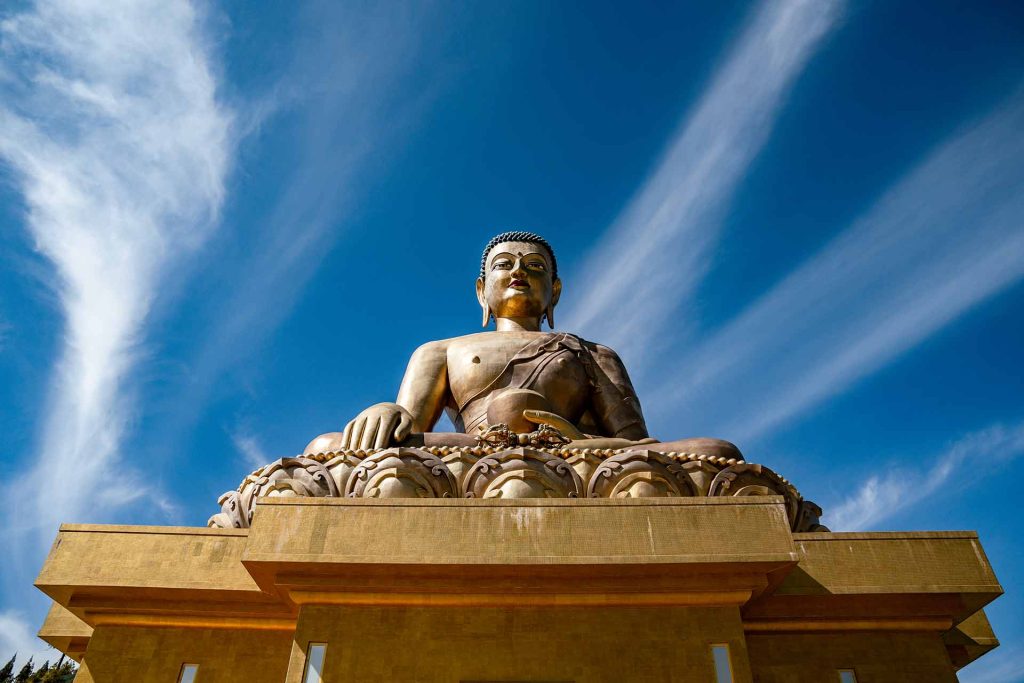
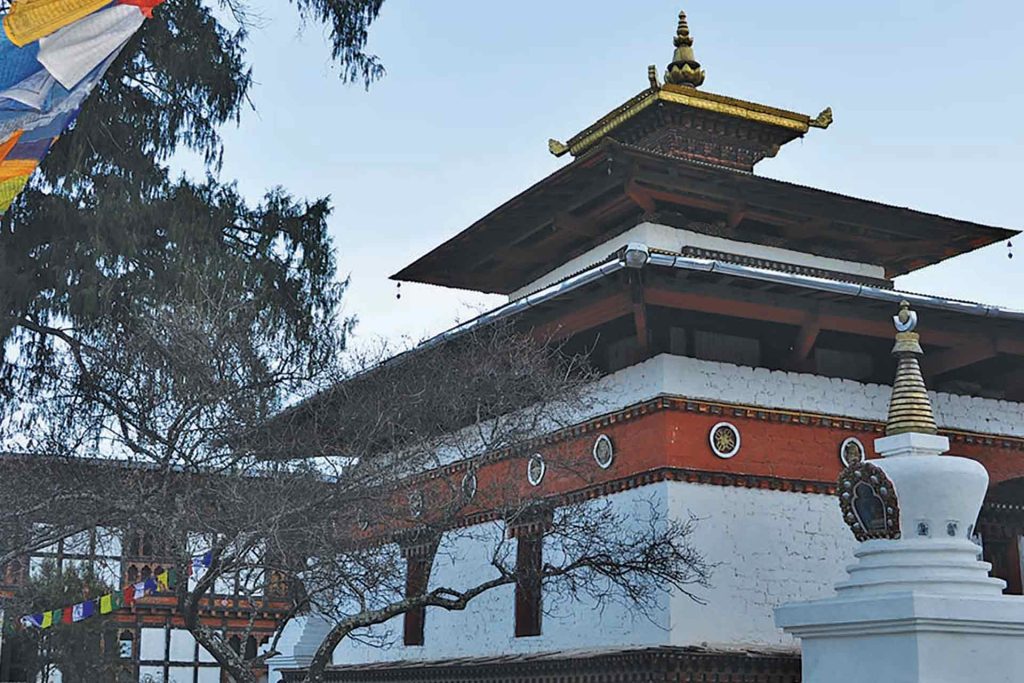
Glimpse of Bhutan
Independent travel in Bhutan is possible, but opting for a tour operator remains the best choice for most travelers.
Bhutan has set its Daily Sustainable Development Fee (SDF) at US$100, valid until August 2027. There is a 50% discount on the SDF for children aged 6 to 11, with no fee for those under 6. A one-time US$40 visa application fee also applies.
The good news is that adventurous travelers can now independently book accommodations, guides (which are mandatory for travel beyond Thimphu and Paro), and transportation. Additionally, visitors can extend their visa while in the country and even drive their own car for an additional fee.
However, for activities like trekking, attending festivals, or specialized interests such as birdwatching, horse riding, or cycling, using a tour operator will enhance your experience and, in many cases, is required.
Travel insurance is highly recommended
Proof of travel insurance is no longer needed in order to apply for a Bhutanese visa. However, as with any overseas travel, insurance is highly recommended and should cover the activities you plan to take on.
Book Early for Festivals and Trekking
Locals often say that Bhutan is a great destination year-round, and while there are no significant financial incentives for offseason travel, occasional hotel deals may be available. For a truly memorable experience, consider timing your visit during autumn or spring, when the most famous tsechus (religious dance festivals) occur, and the landscape is either adorned with colorful foliage or blooming rhododendrons. If you plan to attend a festival or go trekking, it’s advisable to book well in advance.
Summer and winter are equally wonderful, offering a variety of lesser-known festivals. However, these seasons are not ideal for multiday treks due to muddy trails and chilly camping conditions. Winter, considered an auspicious time to travel, sees fewer tourists, making it an excellent choice for those seeking a crowd-free experience with crisp air, clear skies, and perfect light for photography. If you visit in December, you may even have the rare opportunity to attend the National Day celebrations at Changlimithang Stadium in Thimphu and potentially meet the king and Royal families.
Only Two Airlines Fly to Bhutan
Bhutan is served by two national airlines: Drukair and Bhutan Airlines. Due to the challenging landing conditions at Paro International Airport, which is surrounded by peaks as high as 5,500 meters (18,000 feet), only a select group of pilots are authorized to fly there.
Direct flights to and from Paro connect Bhutan to several destinations, including Bangladesh (Dhaka), India (Bagdogra, Guwahati, Mumbai, Kolkata, and New Delhi), Nepal (Kathmandu), Singapore, Thailand (Bangkok), and the UAE (Sharjah). While Bangkok and Delhi are common entry points, the flight from Kathmandu offers the most spectacular route, providing views of Mount Everest on clear days.
Note that it’s not possible to check luggage through to your final destination, so you will need to claim it before boarding your connection to Bhutan. You can also reach Bhutan overland via India.
Bhutan is the World’s First Carbon-Negative Country
Bhutan has earned global recognition as the world’s first carbon-negative country. About the size of Switzerland but with only 10% of its population, Bhutan maintains this distinction through a landmark constitutional mandate that requires the country to keep a minimum of 60% of its land covered by forests at all times. This commitment is further supported by the environmental conservation pillar of Gross National Happiness (GNH).
Additionally, Bhutan has had a plastic ban in place since 1999, though enforcement can be inconsistent. Nevertheless, visitors are encouraged to do their part in preserving the environment. Signage throughout the country reminds travelers of this responsibility, with messages like, “A clean and beautiful environment is a feast to the soul,” displayed along the path to the iconic Tiger’s Nest Monastery.
Bhutan is Exceptionally Safe
Bhutan boasts a low crime rate, with violent crime being rare. As a solo female traveler, you will always feel safe during your stay in Bhutan. You will never truly feel “alone,” as you will consistently have the company of your guide or local friends. In recent years, the number of female guides has increased, making it an even more welcoming destination for solo women travelers.
Stay current on your vaccinations
No vaccinations are required for entry into Bhutan, but it’s recommended to stay up-to-date with routine vaccines and consult a healthcare professional at least eight weeks before your trip. Commonly recommended vaccines include hepatitis A and B, diphtheria, tetanus, typhoid, and childhood vaccines for measles, mumps, rubella, and polio. For longer trips, consider vaccinations for Japanese encephalitis and rabies, especially since friendly animals like monkeys and dogs can transmit rabies. If bitten by an animal, seek immediate medical attention for postexposure prophylaxis.
Minimize Altitude Sickness by Taking Time to Adjust
Acute Mountain Sickness (AMS) can occur at altitudes above 2,500 meters (8,202 feet). As most visitors travel to Thimphu and Paro, which are just 200 to 300 meters (656 to 984 feet) below that threshold, and several treks in the Bhutanese Himalayas reach heights of 5,000 meters (16,404 feet), AMS is a potential risk in Bhutan.
To minimize the risk, ascend slowly, take rest days when needed, and stop if you begin to feel unwell. AMS can progress into more severe and life-threatening forms of altitude sickness, so it’s crucial to listen to your body. If symptoms persist, descend immediately.
Planning Tip: Acclimatization is important due to the altitude. Consider waiting a few days, or even saving the best for last, before tackling the iconic Tiger’s Nest Monastery trek, which ascends around 1,000 meters (3,280 feet). Be sure to schedule a traditional hot-stone bath afterward to relax and rejuvenate.
Pack a Few Medical Essentials
If you’re visiting Bhutan during the summer or traveling to the southern regions, bring insect repellent to protect against mosquito-borne illnesses. Due to climate change, Bhutan experienced its first nationwide dengue epidemic in 2019. While dengue can be deadly and has no vaccine, the risk of contracting malaria in Bhutan is low.
With an average elevation of 3,280 meters (10,760 feet), Bhutan is one of the highest countries in the world, and it shares the same latitude as Texas, Egypt, and the Bahamas, meaning the sun here is strong. Be sure to pack sunscreen and sunglasses to protect your skin and eyes. Additionally, bring Dramamine for motion sickness and Diamox for altitude sickness, as Bhutan’s mountain roads are winding and there are no tunnels.
If you need diapers or tampons, it’s best to bring your own, as these may not always be readily available. Menstrual pads can be found in some stores, hotels, and restaurants. Also, consider packing earplugs—especially for nights in Thimphu, where dogs may be heard howling.
Health Care Includes Traditional Remedies and Western Medicine
Bhutan, sometimes referred to as “Lhojong Menjong” or the “Land of Medicinal Herbs,” offers both traditional remedies and Western medicine for health care. If you feel unwell during your trip, you can visit Thimphu’s National Institute of Traditional Medicine, where staff will assess your pulse, temperature, and ask about your symptoms. You’ll receive a prescription for ayurvedic medicine made from local plants, typically at no cost (though a small donation is appreciated).
Alternatively, you can visit the nearest hospital or health clinic for treatment based on Western medical practices. The Jigme Dorji Wangchuck National Referral Hospital, located in Thimphu, is the largest hospital in Bhutan.
Visitor’s Spotlight: Discovering Bhutan Through Fresh Eyes
Curious to see Bhutan from a fellow traveler’s perspective? Dive into one of our visitor’s delightful blogs and rediscover the magic through their words
Julie Faint
Sydney, Australia
A Journey Through Bhutan: A Cultural and Adventurous Odyssey
Bhutan, a kingdom nestled in the Eastern Himalayas, often evokes images of serene landscapes, ancient monasteries, and a rich tapestry…
Bhutanese Food is Spicy and Delicious
For many years, Bhutanese cuisine had a poor reputation, largely due to the uninspiring buffets at three-star hotels, which featured Indian, Chinese, and continental dishes modified to suit travelers’ tastes.
Fortunately, these buffets are slowly being phased out, and local cuisine, which emphasizes fresh, seasonal ingredients, is gaining popularity. It’s become increasingly delicious, especially if you know where to eat—ask your tour operator or guide for recommendations.
Bhutanese cuisine is known for its spiciness, with dishes like ema datse (chilies with cheese) and kewa datse (potatoes, chilies, and cheese). While these dishes can be adjusted to suit your preferences with advance notice, you may still want to keep some antacids handy.
Don’t drink the tap water
Tap water isn’t safe to drink in Bhutan unless it has been boiled or purified. Ask your hotel or guesthouse for boiled water, or purchase bottled water to have on your person.
Do, however, drink the local whiskey and lager – Bhutan has a flourishing craft-beer scene.
Follow Local Etiquette
In Bhutan, “Kuzuzangpo la” means “hello” in Dzongkha, the national language. It’s customary to greet with this phrase while bowing, as shaking hands is less common. A deeper bow signifies greater respect.
English is widely spoken in Bhutan, as it’s the language of instruction in schools. When conversing in English, Bhutanese often add “la” at the end of sentences to show respect, such as “Thank you, la.” Feel free to reciprocate.
If you’re invited into someone’s home and offered food, tradition requires you to say “meshu meshu” while covering your mouth with your hands. After two or three offers, it’s customary to accept. Similarly, if you offer food, gifts, or tips, expect some resistance before acceptance. Consider giving a small tip if invited into someone’s home and served food or arak, a local rice spirit.
Tipping is appreciated (but not mandatory)
Even if you’ve already paid for an all-inclusive trip, it’s customary to show appreciation by tipping your guide and driver at the end of your journey. On a trek, extend this gesture to the crew, including the cook and any helpers. While a tip of 10–15% is typical, the amount and currency are at your discretion.
Tipping is not required at restaurants and hotels, as a 10% service charge is already included in your bill.
Explore Bhutan’s Nightlife in Thimphu
While Bhutan is typically known for its serene landscapes, Buddhist monasteries, and impressive fortresses like Punakha Dzong, the country also offers a lively nightlife and music scene worth discovering.
Thimphu’s nightlife revolves around Chang Lam, near the stadium, where you’ll find a variety of venues. Popular spots include the Zone (a lively bar), Mojo Park (a great music venue where the band Misty Terrace was founded), the Grey Area (Bhutan’s first gastropub), and nightclubs like Space 34 and Vivacity, which stay open into the early hours.
Smoking in Bhutan: Be Discreet
Bhutan was once known for its bold health laws, which banned smoking and the sale of tobacco products. Although the law was reversed in 2021, smoking is still required to be done discreetly, such as behind buildings. The same rule applies to vaping, which is allowed but not widely available—vaping products can be found in a few places in Thimphu.
While cannabis grows abundantly in the country, it remains illegal, and possession can result prosecutions with law. The only “drugs” legally produced in Bhutan are traditional medicines.
Keep an Open Mind About Local Beliefs
From migoi (yeti) sightings in Bhutan’s wild east to the symbolic significance of phalluses as protectors, and the tale of the flying tiger bringing Guru Rinpoche to the cave where the gravity-defying Tiger’s Nest Monastery now stands, Bhutan’s culture is deeply rooted in folktales, myths, and legends—many of which are believed to be true.
Approach Bhutan with an open mind. While travelers from the Global North may find it difficult to set aside logic and reason, it’s important to remain respectful and consider leaving your preconceptions behind as you explore the rich cultural heritage of the country.
Pack layers, modest clothes and good boots
You’ll want layers for fluctuating temperatures and varying terrains, and modest clothing for entering temples and monasteries, including socks for cold temple floors. Aside from a good pair of hiking boots, bring a nicer shoe to wear with a gho or kira (Bhutanese national dress for men and women, respectively), should you decide to buy an outfit – highly recommended if you’re attending a festival or meeting with a dignitary.
Carry Cash and Download These Money Apps
It’s easier to bring your own cash (ensure the bills are crisp) rather than rely on finding ATMs in Bhutan. The maximum cash to carry in Bhutan is USD 9999 and above which you will need to declare to customs in Airport entry/exit.
The official currency is the ngultrum, which is pegged 1:1 to the Indian rupee. Exchange your currency at a bank or hotel to ensure you have small ngultrum notes for butter-lamp offerings, donations at religious sites, souvenirs, and tipping your guide, driver, and trekking crew. Small bills are also needed for entrance fees. Most businesses in Bhutan accept cash or payments via credit card at 3-5% charges.
Pick up a SIM card on arrival
You can easily get them upon arrival at Paro International Airport. You can also rent a pocket wi-fi device– useful if you’re planning to visit remote regions and need to be online. KORA can help you with this.
Dos & Don’ts
As a traveler in Bhutan, it’s important to be respectful of local customs, traditions, and laws while you travel in Bhutan. Of course your guide will brief and remind you if you forget.
Follow appropriate etiquettes
When visiting Buddhist monasteries, nunneries, and temples, it’s important to observe proper etiquette: remove your shoes and hats, wear clothing that covers your shoulders and knees, refrain from taking photos in altar rooms, avoid pointing, and never lean against a stupa. It’s also customary to leave a small donation on the altar or with a monk. If seeking a blessing, a donation is also appreciated.
Whether by car or on foot, always circumambulate Buddhist temples, stupas, or chortens in a clockwise direction. Going counterclockwise, whether intentionally or out of ignorance, is considered offensive, culturally insensitive, and unlucky. Likewise, prayer wheels, which are used to purify karma, should also be spun clockwise.
Don’t Bargain Hard
Unlike in some other parts of Asia where haggling is common, Bhutan’s market scene is much more straightforward. You’ll generally pay the listed price, as aggressive bargaining is not customary.
That said, be prepared to spend a bit more if you plan to shop. Bhutan is known for its vibrant textiles made from natural fibers like silk and cotton. These pieces, often crafted by women, can take months to produce, so the prices reflect the skill and cultural significance behind each item. For a more budget-friendly option, consider geometric yathras—yak wool textiles typically found in the Bumthang region of central Bhutan.
Check out these posts for additional travel guides